
Sales Pipeline Management: Best Practices for Higher Conversions
In the competitive world of sales, success depends on more than just generating leads—it’s about effectively managing them through every stage of the pipeline until they convert into customers. A well-managed sales pipeline gives visibility into opportunities, helps forecast revenue, and empowers teams to close deals faster. But without the right strategies, leads often get lost, delayed, or abandoned.
What is sales pipeline management?
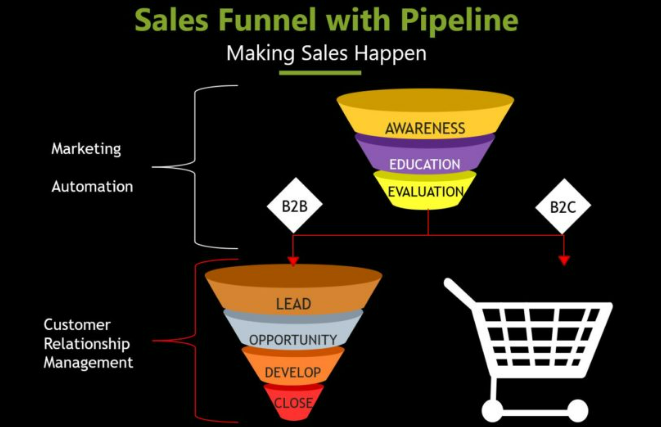
Sales pipeline management is the process of tracking and optimizing prospects as they move through different stages of the sales cycle—awareness, consideration, decision, and closing. Effective management ensures no opportunity is overlooked and that sales teams use their time and resources wisely.
Best Practices for Higher Conversions
1. Define Clear Sales Stages
Every organization should outline consistent pipeline stages that reflect their customer journey. Whether it’s lead qualification, product demo, proposal, or negotiation, clarity helps both sales reps and prospects move forward without confusion.
2. Qualify Leads Early
Not every lead is a good fit. Use qualification frameworks (like BANT—Budget, Authority, Need, Timeline) to focus on high-value prospects. This ensures sales teams spend time where it matters most.
3. Keep the Pipeline Clean
Regularly review and remove “dead” or inactive leads. A cluttered pipeline gives false forecasts and lowers team productivity. By keeping it clean, sales reps can focus on real opportunities.
4. Use Data and Automation
CRM systems and automation tools can track lead behavior, schedule follow-ups, and provide insights on conversion patterns. Data-driven decisions improve accuracy and efficiency in pipeline management.
5. Prioritize Consistent Follow-Ups
Most deals are lost due to lack of timely follow-ups. Setting reminders, sending personalized emails, and using multi-channel outreach ensures prospects stay engaged throughout the buying journey.
6. Align Sales and Marketing
Collaboration between sales and marketing is crucial. When marketing provides well-nurtured leads and sales gives feedback on quality, conversions increase significantly.
7. Monitor Key Metrics
Track metrics like conversion rates, deal velocity, average deal size, and win/loss ratio. These insights reveal bottlenecks and help optimize the pipeline for better results.
8. Train and Coach Sales Teams
Even the best tools won’t deliver results without skilled sales reps. Ongoing training, coaching, and performance reviews improve team capabilities and boost conversions.
Conclusion
Sales pipeline management isn’t just about tracking leads—it’s about creating a structured process that moves prospects smoothly toward a purchase decision. By defining clear stages, qualifying leads, using automation, and maintaining consistent follow-ups, businesses can increase efficiency and achieve higher conversion rates. With the right practices in place, your sales pipeline becomes a growth engine that drives long-term success.
Comments are closed.