
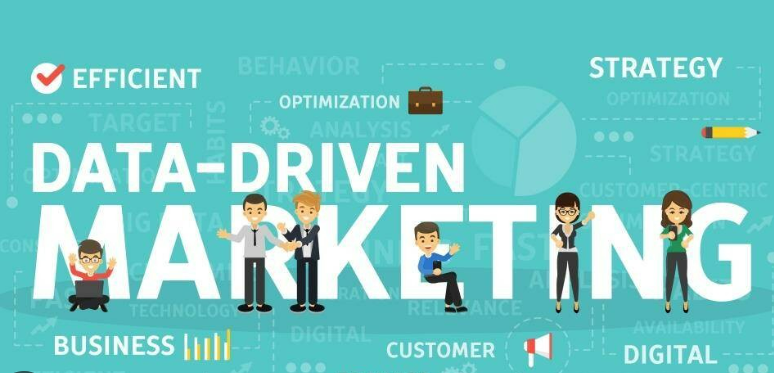
Data-Driven Marketing: Using Analytics to Improve Campaigns
In today’s digital-first world, marketing decisions can no longer rely on guesswork or gut feelings. With increasing competition and changing customer expectations, businesses must leverage data-driven marketing to gain insights, personalize experiences, and optimize campaign performance. By using analytics effectively, companies can transform their marketing from broad, generic messaging into targeted, results-driven strategies.
What is Data-Driven Marketing?
Data-driven marketing is the practice of using customer data and analytics to shape marketing strategies, messaging, and campaign execution. It allows marketers to understand buyer behavior, predict future trends, and deliver the right content to the right audience at the right time.
Instead of relying solely on creativity, data-driven marketing combines analytics, technology, and consumer insights to improve ROI and create measurable results.
Why Analytics Matters in Marketing
Marketing analytics provides valuable insights into:
- Customer Behavior: Understanding buying journeys, preferences, and interactions.
- Campaign Performance: Tracking impressions, clicks, conversions, and ROI.
- Segmentation and Targeting: Identifying high-value customer groups.
- Forecasting: Predicting market trends and consumer demand.
These insights help marketers refine strategies continuously instead of waiting until the end of a campaign to assess success or failure.
Key Benefits of Data-Driven Marketing
1. Improved Personalization
Data enables marketers to move beyond generic campaigns. By analyzing purchase history, demographics, and engagement patterns, businesses can tailor campaigns to specific customer needs—leading to higher engagement and loyalty.
2. Better Decision-Making
Analytics takes the guesswork out of marketing. Marketers can use A/B testing, performance dashboards, and predictive modeling to choose strategies backed by evidence, not assumptions.
3. Optimized Campaigns and Budgets
By measuring performance in real-time, businesses can identify what works and eliminate what doesn’t. This ensures marketing dollars are spent wisely, maximizing ROI.
4. Enhanced Customer Experience
A data-driven approach helps deliver relevant content, personalized offers, and timely communication—improving customer satisfaction and long-term retention.
5. Competitive Advantage
Organizations that harness analytics effectively gain a significant edge. They can anticipate market shifts, adapt faster, and outperform competitors who rely on outdated, intuition-driven approaches.
Examples of Data-Driven Marketing in Action
- Email Campaign Optimization: Analyzing open rates, click-through rates, and customer behavior to send more relevant offers.
- Social Media Targeting: Using engagement data to refine audience segments and ad creatives.
- Customer Journey Mapping: Tracking touchpoints across web, mobile, and offline channels to personalize experiences.
- Predictive Analytics in E-commerce: Recommending products based on previous purchases or browsing behavior.
Steps to Implement Data-Driven Marketing
- Collect Quality Data
Use tools like CRM systems, website analytics, and social listening platforms to gather relevant customer information. - Integrate Data Sources
Combine data from multiple channels (email, social, web, offline) to build a holistic customer profile. - Define Clear Metrics and KPIs
Decide what success looks like—conversion rate, customer lifetime value, or lead-to-sale ratio. - Leverage Advanced Analytics Tools
Utilize platforms like Google Analytics, HubSpot, Tableau, or AI-driven tools to extract meaningful insights. - Test, Measure, and Optimize
Continuously experiment with campaigns (A/B testing) and refine strategies based on data.
Challenges in Data-Driven Marketing
While powerful, data-driven marketing comes with challenges such as:
- Data privacy concerns and compliance (GDPR, CCPA).
- Information overload without clear strategy.
- Dependence on quality and accuracy of data.
- Need for skilled talent in data analytics and interpretation.
Overcoming these requires strong governance, transparency, and investment in the right tools and talent.
Conclusion
Data-driven marketing has transformed how organizations design and deliver campaigns. By leveraging analytics, businesses can create personalized, measurable, and highly effective strategies that drive real results.
In a competitive digital landscape, companies that embrace data-driven decision-making will not only improve campaign performance but also build stronger customer relationships and long-term brand loyalty.
Comments are closed.