
The Future of Sales: How Modern Sales Tools Are Transforming Revenue Growth
The world of sales has changed dramatically in just a few short years. What used to be a game of cold calls, intuition, and manual tracking has evolved into a data-driven, tech-powered, and hyper-personalized engine for revenue growth.
Today’s sales professionals are not just “closers.” They are strategic advisors, data interpreters, and relationship architects — empowered by technology that helps them sell smarter, faster, and more effectively.
Let’s explore how modern sales tools are reshaping the sales landscape and why every business — from startups to global enterprises — needs to embrace them to stay ahead.
1. The Changing Dynamics of Sales
Gone are the days when buyers depended entirely on sales reps for information. In the digital age, 70–80% of the buying process happens before a prospect ever talks to sales. Buyers research, compare, and evaluate solutions online long before engaging with your brand.
This means that the sales cycle has become more complex, multi-touch, and data-dependent. Sales reps need tools that can:
- Identify potential buyers early in their journey.
- Deliver personalized outreach at scale.
- Track every touchpoint, from emails to meetings.
- Integrate seamlessly with marketing, CRM, and analytics systems.
That’s where sales tools — powered by AI, automation, and data — are changing the game.
2. The Modern Sales Stack: What It Looks Like
A modern sales stack is no longer just a CRM. It’s an integrated ecosystem that helps teams generate leads, nurture prospects, analyze data, and close deals faster.
Here’s what an effective 2025 sales stack includes:
a. CRM (Customer Relationship Management)
The backbone of every sales operation. Tools like Salesforce, HubSpot, and Zoho CRM centralize all customer data, making it easier for teams to track conversations, forecast revenue, and manage pipelines.
A good CRM ensures that no lead falls through the cracks and gives leadership visibility into what’s working and what’s not.
b. Sales Intelligence & Prospecting Tools
Platforms like Apollo.io, ZoomInfo, and LinkedIn Sales Navigator provide deep insights into prospects — company size, decision-makers, funding rounds, tech stack, and more.
These tools enable targeted prospecting so that sales teams spend time on the most qualified leads instead of chasing cold contacts.
c. Email Outreach & Automation Tools
Email is still king, but personalized automation rules the throne. Tools such as Outreach, Reply.io, and Mailshake let reps send hundreds of personalized emails daily, track opens and replies, and build sequences that nurture leads automatically.
With AI personalization, your outreach sounds human — not robotic.
d. Meeting Scheduling & Engagement Tools
Gone are the endless back-and-forths of “When are you free?”
Calendly, HubSpot Meetings, and Chili Piper simplify scheduling, while engagement tools like Loom and Vidyard let sales reps record personalized videos that make outreach stand out.
e. Sales Enablement Tools
Platforms like Highspot and Seismic empower sales teams with the right content, pitch decks, and data at the right moment. They ensure your reps have instant access to everything needed to engage and educate prospects.
f. Analytics & Performance Tracking
Data is the lifeblood of modern selling. Tools like Gong, Chorus, and Clari use AI to analyze calls, forecast revenue, and detect trends in rep behavior.
Imagine knowing which messaging closes more deals, or which part of a demo loses attention — in real time.
3. The Rise of AI in Sales
Artificial Intelligence has moved from being a buzzword to being the invisible teammate of every modern sales rep.
AI doesn’t just automate — it amplifies human capability by:
- Predicting which leads are most likely to convert (lead scoring).
- Suggesting the best time to send emails or make calls.
- Analyzing tone, keywords, and engagement patterns from calls.
- Generating personalized follow-up emails and proposals.
AI-driven insights turn every rep into a top performer. It helps sales teams make data-backed decisions instead of relying on guesswork.
4. The Human Side of Sales Still Matters
While automation and AI are transforming sales operations, the human connection remains irreplaceable. Buyers still prefer authentic interactions and trust-based relationships.
Sales tools should enhance, not replace, human empathy.
The most successful sales teams combine technology with emotional intelligence — using tools to understand, not just contact, their prospects.
Example:
Instead of spamming 1,000 leads, a sales rep might use AI to identify 20 high-intent accounts, research their business challenges, and send tailored messages that speak directly to their needs.
Technology fuels efficiency; empathy drives conversion.
5. How to Choose the Right Sales Tools
Selecting tools isn’t about adding more software; it’s about creating a connected, efficient ecosystem that supports your sales process.
Here’s a quick framework to evaluate any sales tool:
- Integration: Does it connect seamlessly with your CRM and marketing tools?
- Ease of Use: Will your reps actually use it, or will it collect dust?
- Automation vs. Control: Does it automate repetitive work without taking away flexibility?
- Insights: Does it provide actionable data that improves performance?
- ROI: Can you clearly measure how it impacts revenue and productivity?
The best sales stacks evolve with your team — not against it.
6. The Measurable Impact of Sales Tools
Companies that use a modern sales stack report dramatic improvements in performance.
According to industry studies:
- Sales teams using AI and automation see up to 50% higher conversion rates.
- Reps using integrated CRMs spend 35% less time on administrative tasks.
- Personalization tools can increase reply rates by 4x compared to generic emails.
- Organizations with strong enablement tools see 15–20% higher win rates.
These numbers prove that the ROI of sales technology isn’t theoretical — it’s measurable and consistent across industries.
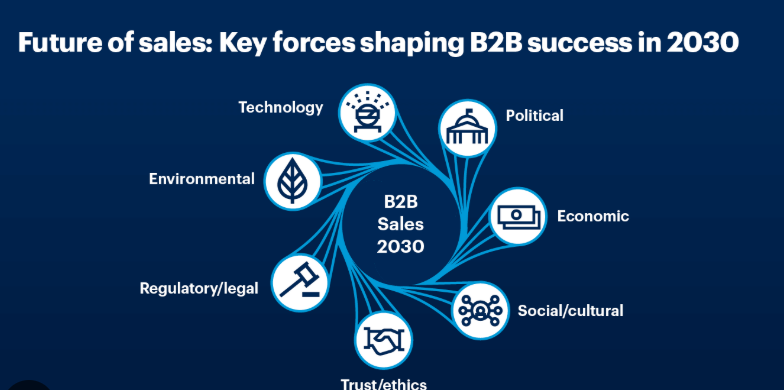
7. The Future of Selling
Looking ahead, the future of sales lies in data-driven personalization. The next generation of tools will not only tell you what happened, but also what to do next.
Imagine a dashboard that predicts your next best move, auto-drafts your follow-up email, and suggests which product demo will convert best — all powered by AI.
At the same time, ethical sales practices and privacy-compliant outreach will gain importance. Buyers value trust more than ever, and transparency will become a competitive advantage.
Final Thoughts
The evolution of sales tools is not about replacing humans with technology — it’s about empowering humans with intelligence.
In a world where competition is fierce and attention spans are shrinking, success belongs to teams that combine data, empathy, and automation into one seamless process.
So, whether you’re running a startup, scaling a B2B agency, or managing an enterprise sales team — remember this.
Comments are closed.