
How Marketing Can Fuel Your Sales Funnel
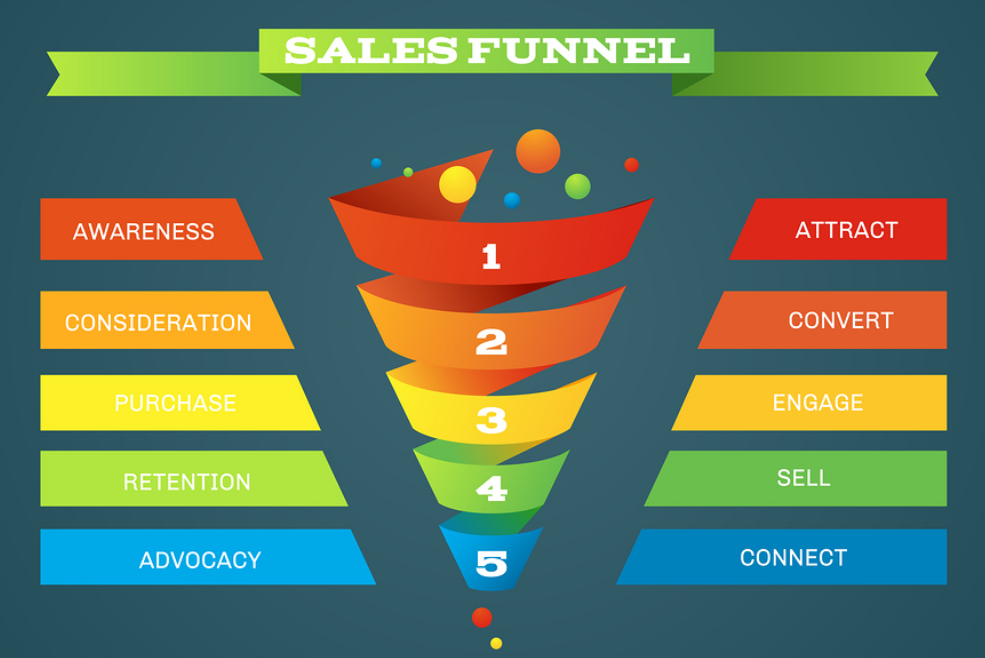
For any business, the sales funnel represents the journey a potential customer takes—from awareness to decision-making and finally becoming a loyal client. While the sales team traditionally drives conversions, marketing plays a critical role in fueling the funnel. Effective marketing ensures a steady flow of qualified leads, nurtures prospects, and shortens the sales cycle, ultimately boosting revenue.
Understanding the Sales Funnel
A sales funnel typically consists of three stages:
- Top of the Funnel (Awareness): Prospects discover your brand through content, ads, or outreach.
- Middle of the Funnel (Consideration): Leads evaluate options, compare solutions, and engage with your content.
- Bottom of the Funnel (Decision): Prospects are ready to purchase, and your job is to build trust and close the deal.
Marketing contributes at each stage by creating visibility, providing value, and guiding prospects toward purchase.
Ways Marketing Fuels the Sales Funnel
1. Building Brand Awareness
At the top of the funnel, marketing strategies such as SEO, social media campaigns, and digital ads introduce your brand to potential customers. This creates visibility and draws new prospects into the funnel.
2. Generating and Qualifying Leads
Content marketing, email campaigns, and gated assets like eBooks or webinars attract leads while also filtering for relevance. By targeting the right audience, marketing ensures the sales team works with qualified prospects, not cold leads.
3. Nurturing Prospects Through Engagement
In the consideration stage, marketing provides valuable touchpoints—such as case studies, newsletters, or personalized emails—that build trust and keep your brand top-of-mind. This nurtures relationships until prospects are ready to engage with sales.
4. Supporting Sales with Insights and Tools
Marketing automation tools track lead behavior—such as website visits, downloads, or email opens—giving sales teams deeper insights into buyer intent. This enables more personalized and effective conversations.
5. Strengthening Conversions at the Bottom
When prospects are close to making a decision, marketing helps by offering product demos, testimonials, and special offers. These assets reduce doubts, strengthen credibility, and encourage quicker conversions.
6. Driving Customer Retention and Referrals
Marketing doesn’t stop at the sale. Loyalty programs, post-purchase communication, and customer success stories help retain customers and turn them into brand advocates, feeding new leads back into the funnel.
The Synergy Between Marketing and Sales
A well-aligned marketing and sales strategy ensures smooth handoffs between teams. Marketing fills the funnel with high-quality leads, while sales focuses on conversion. This alignment not only increases efficiency but also maximizes ROI across both departments.
Conclusion
Marketing is the engine that keeps the sales funnel running smoothly. By creating awareness, generating and nurturing leads, and providing tools to support conversions, marketing directly fuels sales success. Businesses that integrate strong marketing strategies into their sales funnel will not only close more deals but also build lasting customer relationships that drive long-term growth.
Comments are closed.