
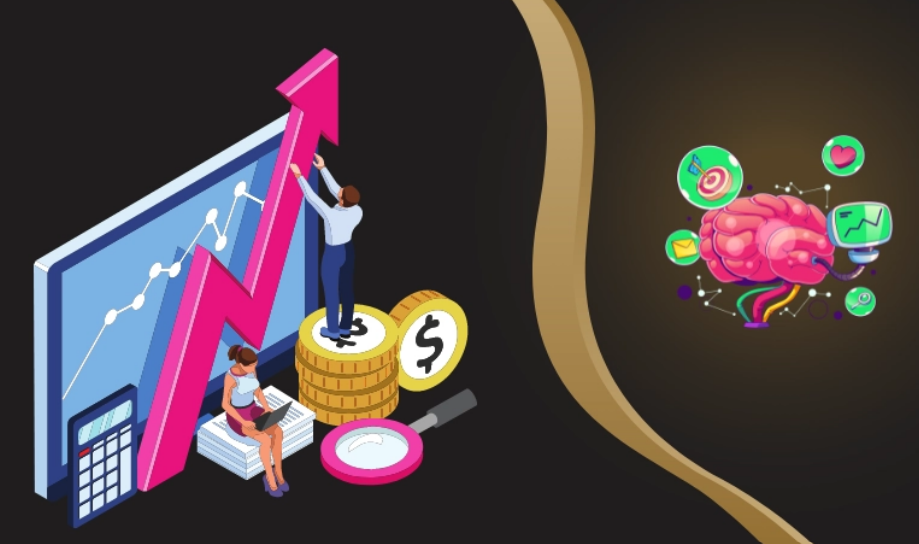
The Psychology of Customer Trust: Winning Buyers in a Hyper-Competitive Digital World
The biggest marketing challenge today is not visibility but trust. Consumers are constantly exposed to digital ads, promotional emails, and social media campaigns. Yet, only brands that build authentic trust convert consistently and enjoy long-term loyalty. The psychology of trust plays a central role in customer experience and brand perception.
Modern consumers are more skeptical than ever. They research reviews, compare competitors, and seek peer recommendations before making a purchase. Therefore, brands must shift from aggressive selling to value-driven storytelling. Transparency, consistency, and credibility are the pillars of modern marketing success. Businesses that clearly communicate their values, show real customer results, and use honest messaging develop deeper emotional connections with audiences.
Personalization is another major driver of customer trust. When brands tailor content and offers to individual behavior and needs, consumers feel understood. However, personalization should be ethical—excessive tracking without consent diminishes trust and raises privacy concerns. Brands must balance personalization with respect for user data.
Content marketing, influencer collaborations, and community engagement are now integral to building trust. Real experiences shared by customers carry more weight than promotional claims. Additionally, post-purchase engagement—such as responsive support, loyalty programs, and feedback follow-ups—reinforces customer confidence and encourages repeat purchases.
In a market where alternatives are endless, trust becomes the strongest differentiator. Marketing success today comes not from campaigns that look good but from brands that make customers feel secure, respected, and valued.
Comments are closed.