
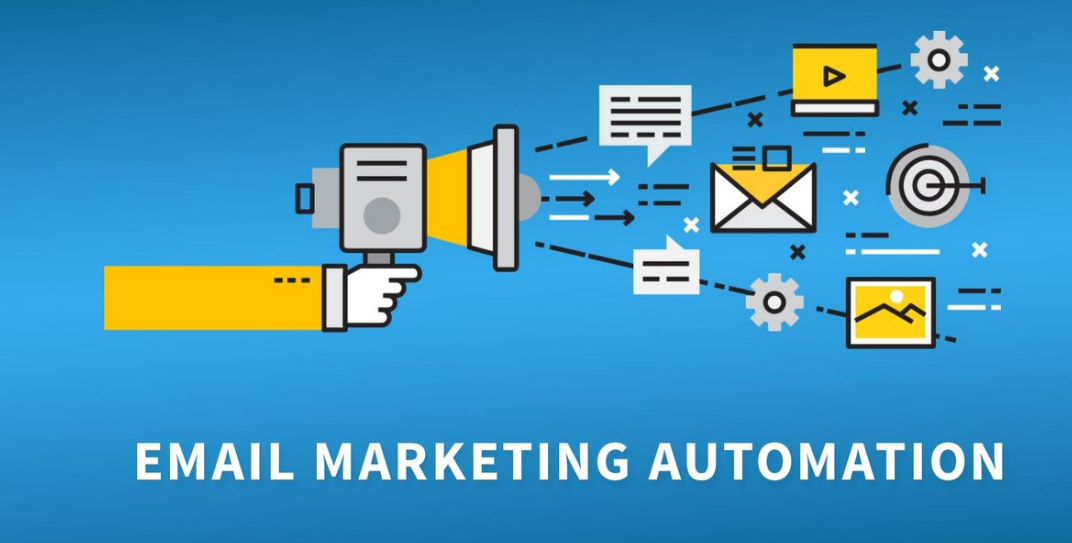
Email Marketing Automation: A Complete Guide to Smarter, Scalable Customer Engagement
In today’s fast-paced digital ecosystem, businesses are constantly searching for ways to connect with their audience in a personalized, timely, and efficient manner. Email marketing automation has emerged as one of the most powerful tools to achieve this. It allows companies to deliver the right message to the right person at the right time—without manual effort for every interaction.
This article explores email marketing automation in depth—what it is, why it matters, how it works, key components, benefits, tools, strategies, and best practices.
What is Email Marketing Automation?
Email marketing automation refers to the use of software and technology to send emails automatically based on predefined triggers, user behavior, or schedules. Instead of manually sending emails to individual users or lists, automation enables businesses to create workflows that operate on autopilot.
For example:
- Sending a welcome email when someone signs up
- Delivering a discount coupon after cart abandonment
- Nurturing leads with a sequence of educational emails
- Re-engaging inactive subscribers
Automation transforms email marketing from a one-time activity into an ongoing, intelligent communication system.
Why Email Marketing Automation Matters
1. Personalization at Scale
Automation allows businesses to segment their audience and tailor content based on behavior, preferences, and demographics. This creates a more relevant experience for users.
2. Time and Resource Efficiency
Instead of manually sending emails, marketers can set up workflows once and let them run automatically, saving hours of repetitive work.
3. Improved Customer Journey
Automation ensures that users receive timely communication at every stage—from awareness to purchase and beyond.
4. Higher Engagement and Conversions
Targeted and timely emails significantly improve open rates, click-through rates, and overall ROI.
5. Data-Driven Decision Making
Automation tools provide analytics that help refine campaigns and improve performance over time.
How Email Marketing Automation Works
At its core, email automation is built on three elements:
1. Triggers
Triggers initiate an automated email or workflow. Examples include:
- User signup
- Purchase completion
- Website activity
- Inactivity over time
2. Conditions
Conditions define rules within workflows, such as:
- If user opens email → send next email
- If user doesn’t click → send reminder
3. Actions
Actions are what the system performs:
- Send email
- Add/remove from list
- Update contact information
- Assign lead score
Types of Automated Email Campaigns
1. Welcome Emails
The first interaction with new subscribers. These emails introduce your brand, set expectations, and build trust.
2. Lead Nurturing Campaigns
A sequence of emails designed to educate prospects and move them through the sales funnel.
3. Abandoned Cart Emails
Triggered when users leave items in their cart without purchasing. These emails help recover lost sales.
4. Re-engagement Campaigns
Target inactive users to bring them back with special offers or reminders.
5. Transactional Emails
Includes order confirmations, shipping updates, invoices, etc. These are highly opened and critical for customer experience.
6. Behavioral Emails
Based on user actions like browsing specific products or visiting certain pages.
7. Drip Campaigns
A series of scheduled emails sent over time to guide users through a journey.
Key Components of Email Marketing Automation
1. Email List Segmentation
Segmenting your audience ensures messages are relevant. Common segmentation criteria include:
- Demographics
- Behavior
- Purchase history
- Engagement level
2. Workflow Builder
A visual interface to design automation flows using triggers, conditions, and actions.
3. Personalization Tokens
Dynamic fields like name, location, or preferences to customize emails.
4. A/B Testing
Testing different subject lines, content, or timing to optimize performance.
5. Analytics and Reporting
Tracking metrics like open rate, CTR, conversion rate, and bounce rate.
Popular Email Marketing Automation Tools
Some widely used tools include:
- HubSpot Marketing Hub
- Mailchimp
- ActiveCampaign
- Klaviyo
- Salesforce Marketing Cloud
Each platform offers different levels of automation, integration, and scalability.
Benefits of Email Marketing Automation
1. Consistent Communication
Ensures your audience hears from you regularly without manual effort.
2. Better Lead Management
Automated workflows help qualify and nurture leads effectively.
3. Increased Revenue
Targeted campaigns drive higher conversions and repeat purchases.
4. Scalability
Automation allows businesses to grow without proportionally increasing workload.
5. Improved Customer Retention
Timely and relevant communication builds long-term relationships.
Best Practices for Email Marketing Automation
1. Understand Your Audience
Use data to identify customer needs, preferences, and behavior.
2. Map the Customer Journey
Design workflows that align with each stage of the journey.
3. Keep Emails Relevant and Valuable
Avoid sending generic or overly promotional content.
4. Optimize Timing
Send emails at times when users are most likely to engage.
5. Maintain Clean Email Lists
Regularly remove inactive or invalid contacts to improve deliverability.
6. Focus on Mobile Optimization
Ensure emails are responsive and easy to read on mobile devices.
7. Test and Improve Continuously
Use A/B testing and analytics to refine your campaigns.
Challenges in Email Marketing Automation
While powerful, automation comes with challenges:
- Over-automation can feel impersonal
- Poor segmentation leads to irrelevant emails
- Complex workflows require strategic planning
- Deliverability issues if not managed properly
Addressing these challenges requires a balance between automation and human touch.
Future of Email Marketing Automation
The future of email automation is being shaped by:
1. Artificial Intelligence (AI)
AI helps predict user behavior, optimize send times, and personalize content dynamically.
2. Hyper-Personalization
Going beyond basic personalization to deliver deeply tailored experiences.
3. Omnichannel Integration
Combining email with SMS, push notifications, and social media for seamless communication.
4. Predictive Analytics
Using data to anticipate customer needs and automate accordingly.
Conclusion
Email marketing automation is no longer optional—it’s essential for businesses that want to scale their marketing efforts while maintaining personalization and efficiency. By leveraging automation tools, understanding customer behavior, and implementing strategic workflows, businesses can build meaningful relationships, improve engagement, and drive consistent growth.
Whether you are a beginner or an experienced marketer, mastering email automation can significantly enhance your marketing effectiveness and career opportunities in the digital space.