
The Real Truth About Digital Advertising
In today’s fast-moving digital world, businesses everywhere are investing heavily in online marketing. From small startups to global enterprises, digital advertising has become one of the most powerful tools for reaching potential customers. But behind the flashy campaigns, impressive numbers, and promises of instant success lies a reality many businesses fail to understand.
The truth is simple: digital advertising is powerful, but it is not magic. Success doesn’t happen just because you launch ads. It requires strategy, patience, optimization, and understanding how people actually behave online.
Digital Advertising Is More Than Just Running Ads
Many businesses believe that digital advertising simply means spending money on platforms like Google Ads, Meta Ads, or social media promotions. In reality, advertising online involves much more than pressing a “publish” button.
Successful campaigns require proper audience targeting, strong messaging, compelling visuals, landing page optimization, budget planning, tracking systems, and constant performance monitoring. Without these elements working together, ad spend can quickly become wasted investment.
Digital advertising is a complete system, not a shortcut.
More Traffic Does Not Always Mean More Sales
One of the biggest misconceptions in online marketing is the belief that website traffic automatically leads to conversions.
A business might generate thousands of website visitors through paid campaigns, but if the landing page experience is poor, visitors leave without taking action.
The real goal of digital advertising is not simply bringing users to a website. The objective is converting attention into measurable business outcomes such as leads, sign-ups, purchases, consultations, or appointments.
This is why conversion optimization matters just as much as advertising itself.
Targeting the Wrong Audience Burns Budget Fast
Platforms today allow advertisers to target audiences based on age, location, interests, search behavior, demographics, purchase intent, and online activity.
However, poor audience selection remains one of the biggest reasons campaigns fail.
If a company selling enterprise software targets broad audiences without understanding buyer intent, they may attract clicks but generate no qualified leads.
The truth about digital advertising is that precision matters far more than reach.
A smaller audience with high intent often produces better results than a large audience with low interest.
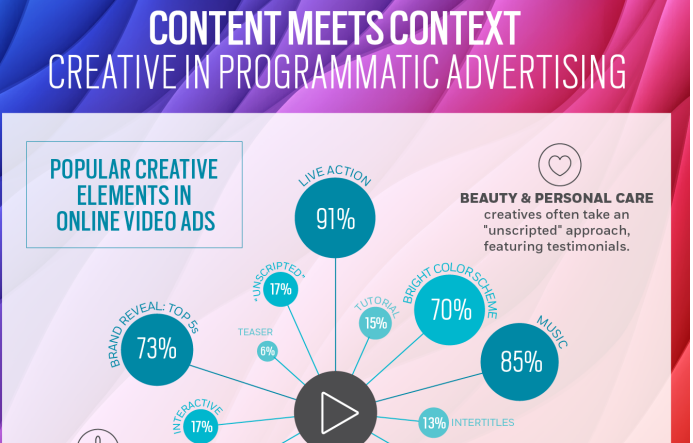
Creative Quality Directly Impacts Performance
Consumers are exposed to thousands of advertisements every day. Because attention spans are shorter than ever, businesses have only a few seconds to make an impression.
Weak ad creatives, poor design, generic messaging, and unclear offers immediately reduce campaign effectiveness.
High-performing advertisements usually focus on three things:
- Clear value proposition
- Strong emotional connection
- Immediate call-to-action
The difference between a successful campaign and a failed campaign is often creative execution.
Cheap Leads Are Not Always Good Leads
Businesses frequently judge campaign success based on low cost-per-click or low cost-per-lead numbers.
But lower cost does not necessarily mean better performance.
An advertising campaign generating cheap but unqualified leads can waste sales team time and reduce actual revenue.
In contrast, a campaign producing fewer but highly qualified leads may generate significantly better long-term results.
The real metric businesses should focus on is return on investment rather than vanity numbers.
Algorithms Are Powerful But Not Perfect
Advertising platforms like Google Ads, Meta Ads Manager, and LinkedIn Ads use machine learning algorithms to optimize campaign delivery.
While automation has improved dramatically, algorithms still depend on quality inputs.
If advertisers provide weak creatives, poor audience signals, incorrect conversion tracking, or unclear objectives, automated systems cannot fix the underlying strategy problem.
Technology improves efficiency, but strategy still drives results.
Digital Advertising Requires Testing, Not Guessing
One campaign setup rarely guarantees success.
Professional marketers constantly test:
- Headlines
- Images and videos
- Landing page designs
- Audience segments
- Geographic targeting
- Call-to-action buttons
- Budget allocation
- Ad placements
Small improvements in testing can dramatically improve campaign performance over time.
Businesses expecting instant success without experimentation often become frustrated too quickly.
The Customer Journey Has Changed Completely
Consumers no longer make immediate buying decisions after seeing a single advertisement.
Today’s customer journey often looks like this:
A customer sees an ad → visits website → leaves without buying → sees remarketing ads → reads reviews → compares competitors → returns later → finally converts.
Digital advertising works best when businesses understand this full journey rather than expecting immediate sales.
Patience plays a major role.
Bad Landing Pages Destroy Good Campaigns
A business may have excellent advertisements but still fail because of poor website experience.
Common landing page problems include:
- Slow loading speed
- Poor mobile responsiveness
- Weak trust signals
- Complicated forms
- Too much text
- Confusing navigation
- No clear call-to-action
A high-performing advertising campaign requires a strong destination page.
Advertising can bring attention, but websites convert attention into business.
Data Is the Most Valuable Asset
Modern digital advertising gives businesses access to detailed performance insights.
Marketers can track:
- User behavior
- Click-through rates
- Conversion rates
- Cost per acquisition
- Device performance
- Geographic trends
- Audience engagement
- Revenue attribution
Businesses that actively study data consistently outperform those running campaigns blindly.
The biggest advantage of digital advertising is not visibility.
It is measurable decision-making.
Digital Advertising Is Competitive
The online advertising space has become extremely crowded.
More businesses are competing for the same audience attention every year.
This competition increases:
- Cost per click
- Customer acquisition costs
- Advertising fatigue
- Creative pressure
- Market saturation
Companies that rely on outdated advertising strategies quickly lose efficiency.
Continuous adaptation is essential.
The Biggest Truth: Advertising Cannot Fix a Weak Business
This is the reality many companies avoid.
No advertising strategy can permanently solve poor products, weak customer service, unclear offers, or bad user experience.
Advertising amplifies what already exists.
If a business has a strong product and strong customer experience, digital advertising accelerates growth.
If the business has fundamental weaknesses, advertising simply exposes those weaknesses faster.
Final Thoughts
Digital advertising has transformed how businesses connect with customers, but success requires more than budget and technology.
The real truth about digital advertising is that winning campaigns combine strategy, creativity, customer understanding, testing, analytics, and continuous improvement.
Businesses that expect instant results often fail.
Businesses that approach digital advertising as a long-term growth engine consistently build sustainable success.
In the end, digital advertising is not about spending money online.
It is about understanding people, solving problems, and delivering the right message to the right audience at exactly the right time.
And that is what truly separates successful digital marketers from everyone else.
Comments are closed.